Breaking down DeFi, Tokens, dapps and Coin Launches
CF
Author
Codes For Tomorrow
Codes For Tomorrow is a team of protocol engineers building Layer 1 networks, on-chain protocols and MPC wallets for enterprises.
DeFiCrypto dApps
Introduction
The world of finance has always developed in parallel with technology. From classical banking to the emergence of online transactions, the internet revolutionized the manner in which individuals save, invest, and exchange. Nevertheless, the majority of Web 2.0 financial systems are based on centralized institutions that govern asset valuations and approval of transactions, which restricts transparency and user control.
With the advent of blockchain and cryptocurrencies, spearheaded by Bitcoin, a new age in finance dawned. By opening up peer-to-peer transactions without mediators, blockchain technology gave rise to Decentralized Finance (DeFi) - a system based on equity, safety, and ease of access. Through Web 3.0 and decentralized applications (dApps), finance today is changing towards an open, user-centric model that empowers people everywhere
Finance from Web 1.0 to Web 3.0
The evolution of finance through internet phases Web 1.0 to Web 3.0 reveals a colossal shift in how individuals interact with money, tech, and trust. Financial systems became increasingly accessible, functional, and transparent during each web era.
Major Phases of Financial Evolution:
Web 1.0 – The Informational Era: Finance was read-only and static. Users had access to plain market data and banking data, but transactions were all offline and manual.
Web 2.0 – The Interactive Era: Online banking, mobile apps, and digital payments became a reality. But centralized institutions remained in full control of transactions and user information.
Web 3.0 – The Decentralized Era: Blockchain and smart contracts facilitated trustless, peer-to-peer financial systems, removing intermediaries and making users masters of their digital possessions.
Web 3.0 has broken finance's reliance on centralized intermediaries. Rather, it exists on distributed blockchain networks in which transparency, security, and user empowerment characterize each transaction. This is the real transformation towards decentralized finance (DeFi), the precursor to an equitable global economy.
Coin vs token
On the blockchain and Web 3.0 stage, coin and token are terms usually interchanged yet for different reasons in the digital world. It's crucial for anyone venturing into decentralized finance, crypto trading, or blockchain-based software to learn the difference.
Key Differences Between Coin and Token:
Coins Symbolize Native Blockchain Assets: Coins such as Bitcoin, Ethereum, or Solana are native to their own blockchain networks and are primarily utilized as a store of value or medium of exchange.
Tokens Run on Existing Blockchains: Tokens are developed on existing blockchains (such as ERC-20 tokens on Ethereum) and can symbolize assets, rights, or utilities within a certain platform.
Coins Mainly for Payments: They are used to make transactions, mining rewards, and blockchain validation procedures.
Token Support Functionality: They can be utilized to power DeFi platforms, NFT systems, governance voting, or to represent real-world assets.
Blockchain Dependence: Coins possess independent blockchains, whereas tokens depend on another blockchain's infrastructure.
Simply put, coins power blockchain networks, while tokens power ecosystems on top of those networks. Both are essential to forming decentralized economies coins hold down the foundation, while tokens bring innovation and utility to Web 3.0 applications.
Bridging Web 3.0 through DeFi dApps
Decentralized Finance (DeFi) decentralized applications or dApps serve as the gateway between users and the Web 3.0 financial system. Unlike institution-run traditional apps, DeFi dApps operate on blockchain networks, providing openness, automation, and access everywhere without middlemen. They're revolutionizing the way people borrow, lend, exchange, and earn money within the digital economy.
How DeFi dApps Bridge the Web 3.0 Ecosystem:
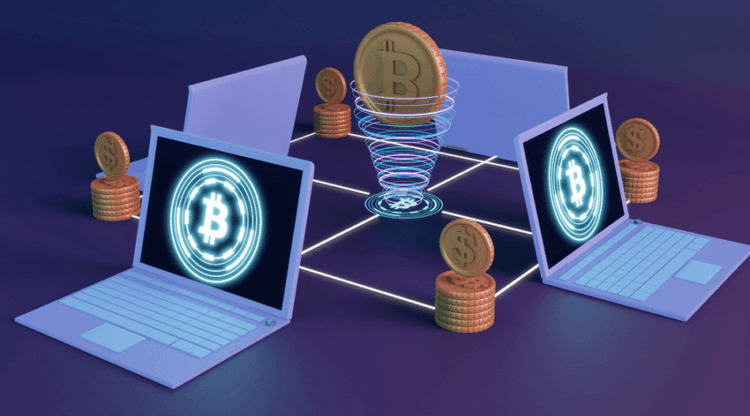
Peer-to-Peer Transfers: DeFi dApps facilitate direct user-to-user transfers without the intermediation of banks or financial institutions.
Smart Contract Automation: Transactions, lending, and staking are automated by self-executing smart contracts, eliminating human bias and vulnerabilities to fraud.
Worldwide Accessibility: All one needs is an internet connection to have access to DeFi services, breaking geographical and financial constraints.Interoperability Across Platforms: DeFi dApps are able to interact with various blockchains, facilitating token exchanges, liquidity pools, and multi-chain asset transfers.
Improved Transparency: All transactions can be tracked on the blockchain, promoting trust and accountability in financial transactions.
By combining blockchain's trustless infrastructure with DeFi innovation, dApps are creating a borderless financial system where users own their assets, data, and profits. This combination of DeFi and Web 3.0 is empowering a new age of open, open, and user-led finance.
Types of Defi Apps
DeFi apps exist in many different categories, each with a particular function within the decentralized finance framework. DeFi apps redefine how users store, trade, and transfer digital assets minus the middlemen and with full ownership and transparency.
Main DeFi App Types:
Crypto Wallets –Store, send, and receive cryptocurrencies securely while giving full control of private keys. Wallets such as MetaMask and Trust Wallet act as entry to DeFi platforms.
DEX or Decentralized Exchanges – Exchanges such as Uniswap and PancakeSwap enable users to exchange cryptocurrencies directly from a smart contract without any central control.
Crypto Payment Solutions – DeFi payment applications make global transactions smooth with little cost, reducing banking delays.
Contribution to DeFi – Yield farming, staking, and providing liquidity enable users to contribute directly to the DeFi economy and earn passive returns.
Every type of DeFi application is essential to the development of an open, accessible, and self-sustaining financial system, where users can trade, invest, and grow without centralized control.
Launching Coins – ICO and IDO
On the blockchain and decentralized finance landscape, the release of a new cryptocurrency is underpinned by an orderly process to secure funds and establish trust among communities.
Initial Coin Offerings (ICOs) and Initial DEX Offerings (IDOs) are among the best fundraising tools that enable startups and projects to launch their tokens to investors and users.
Main Methods for Coin Launch:
Initial Coin Offering (ICO) – ICOs are pre-sale campaigns when new coins are sold directly to the investors prior to being listed on an exchange. They enable earlier supporters to buy coins at a lower price while assisting projects in obtaining development funds.
Initial DEX Offering (IDO) – IDOs are conducted on decentralized exchanges, which allow for real-time token trading and improved liquidity. It is more transparent and community-based since it does away with intermediaries and employs smart contracts for enforcement.
Token Allocation and Vesting – The tokens are usually allocated to team members, early investors, and the public by the project through vesting schedules to provide equitable distribution and avoid market manipulation.
Community Engagement – Successful ICOs depend on establishing trust via open communication, marketing, and ongoing updates to the investor base.
ICOs and IDOs have both been responsible for driving innovation in the crypto economy, enabling developers and entrepreneurs to raise capital without sacrificing decentralization and transparency.
Conclusion
DeFi was the initial use-case of blockchain and the Bitcoin protocol provided an alternative to currency we have had thus far. This use-case and related defi, coins, tokens, dApps, and investment opportunities are only set to increase with the increasing adoption of blockchain by the masses.
Frequently Asked Questions (FAQs)
DeFi uses blockchain technology to offer financial services without banks, making transactions more transparent and accessible.
Coins are the main currency of a blockchain (e.g., ETH on Ethereum). Tokens are built on blockchains and serve various functions, like representing assets or utilities.
Decentralized apps use blockchain and smart contracts to function without a central authority, allowing interactions like buying NFTs or trading cryptocurrencies through web or mobile apps.
Examples include crypto wallets (manage cryptocurrencies), decentralized exchanges (trade without intermediaries), crypto payment solutions (low-fee transactions), and crypto derivative services (trade based on price predictions).
ICOs raise funds by selling new coins or tokens, while IDOs use decentralized exchanges and liquidity pools for fundraising and trading.